Short Article Writer-Franck Dowd
In recent years, advancements in ocular surgery have transformed the way we handle correcting vision. One of the most prominent innovations is SMILE, a less invasive operation that has attracted interest among those seeking alternatives to glasses and contacts. With its rapid recovery time and successful results, SMILE eye surgery is becoming a favored option for managing myopia. For anyone thinking about a future without glasses, understanding what SMILE eye surgery involves is crucial.
This article delves into the intricacies of SMILE eye surgery, examining its benefits, costs, and how the treatment works. By contrasting it with different techniques like PRK, we will offer insights into why many are choosing this cutting-edge technique. Whether you're curious about the risks, the post-op care, or the overall effect on your lifestyle, we aim to provide you with the details needed to make an informed decision about your path to vision correction.
Comprehending Small Incision Lenticule Extraction Eye Surgery
SMILE Eye Surgery, or SMILE, is an advanced laser procedure developed to treat vision problems, primarily nearsightedness or nearsightedness. This state-of-the-art technique allows for a less invasive approach, which distinguishes it from conventional methods like Laser-Assisted In Situ Keratomileusis. The SMILE procedure makes use of a specific laser to generate a minute lenticule within the cornea, which is then extracted through a tiny incision. This process alters the cornea, enhancing the eye's ability to focus light correctly onto the retina.
One of the key benefits of SMILE Eye Surgery is the minimized risk of problems associated with larger surgical incisions. By using a more compact incision, patients experience minimal disruption to the corneal nerves, which can lead to a more comfortable recovery and a lower incidence of dry eye compared to other surgical options. Moreover, the SMILE procedure is especially effective for those with substantial levels of myopia, offering a high degree of precision and effectiveness that patients desire.
The cost of SMILE Eye Surgery can differ based on multiple factors, including the surgeon's experience, the technology employed, and the geographic location of the clinic. While it is commonly comparable to the cost of LASIK, patients should evaluate not only the monetary aspect but also the benefits such as quick recovery time and minimal side effects. As https://thecnnfreedomproject.blogs.cnn.com/2011/04/18/victims-break-chains-of-slavery/ look for alternatives to glasses and contact lenses, comprehending what SMILE Eye Surgery entails will assist them make informed decisions about their vision correction options.
Benefits and Costs of SMILE
A key advantages of SMILE eye surgery is its less invasive nature. Unlike traditional LASIK procedures, SMILE uses a smaller incision which leads to a lower impact of the corneal nerves. This often results in reduced dry eye symptoms post-surgery compared to other vision correction surgeries. Patients typically experience faster recovery times, enabling them to return to their daily activities faster.
Along with its surgical advantages, many individuals find that SMILE eye surgery provides notable improvements in visual acuity, particularly for those dealing with nearsightedness. With a high rate of patient satisfaction, many report achieving 20/25 vision or better following the procedure. This improvement in vision quality can positively impact many aspects of life, including sports, driving, and general comfort without glasses or contacts.
When evaluating the costs, SMILE surgery can be costlier than traditional LASIK due to the advanced technology involved. On average, SMILE laser eye surgery costs vary from two thousand to three thousand dollars per eye. However, many patients consider the investment as worthwhile given the possible long-term savings on eyewear and the improved quality of life that comes from improved vision.
Our SMILE Procedure Explained
The SMILE procedure, also known as Small Incision Lenticule Extraction, is a gentle procedure intended to treat myopia. This technique utilizes the use of state-of-the-art laser technology to create a thin lens-like section, known as a lenticule structure, inside the cornea. In contrast to traditional LASIK surgery, SMILE doesn't necessitate a substantial flap to be formed on the top of the eye, which leads to a lower chance of complications and a smoother recovery.
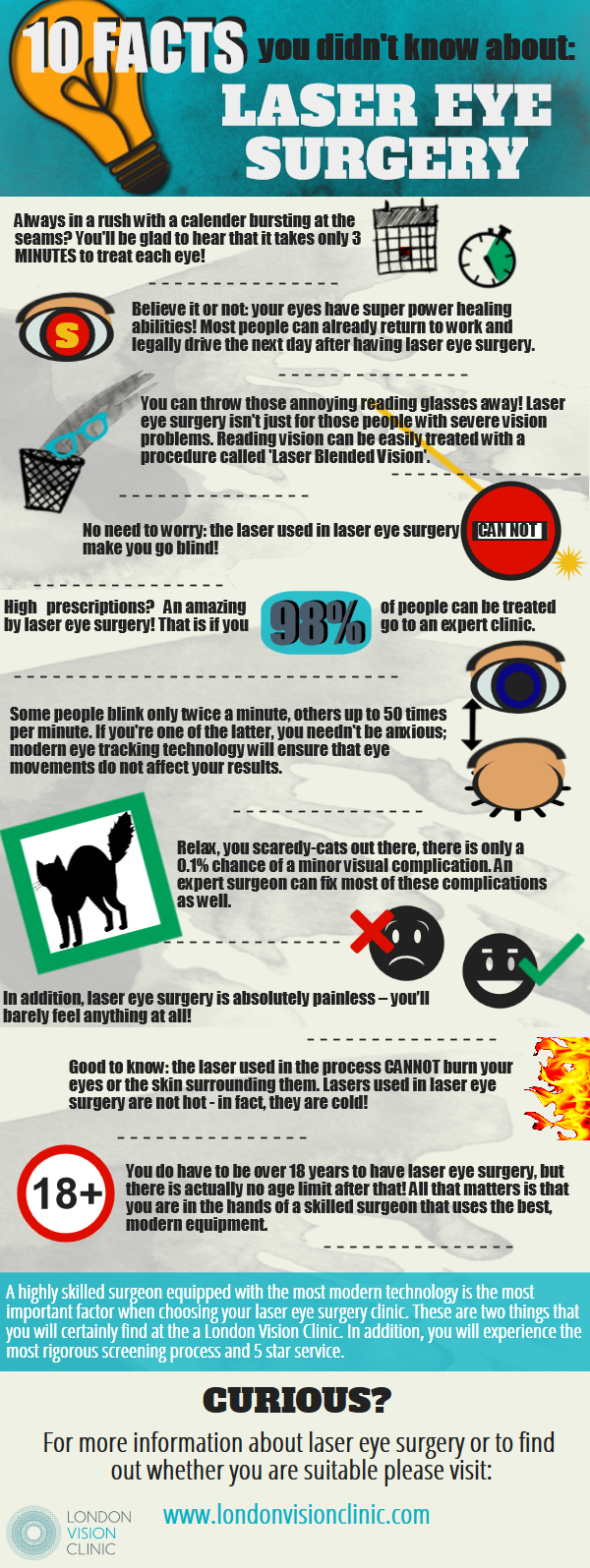
Throughout the SMILE operation, the ophthalmologist utilizes a advanced laser to generate both the lenticule layer and a small incision on the cornea. After the lenticule is taken through this minimal incision, the cornea is contoured to allow light to focus correctly onto retina, enhancing vision. The complete procedure typically requires only about 15 minutes per eye procedure, and patients often feel slight pain in the process.
Recovery after SMILE eye surgery is generally fast compared to alternative eye surgery procedures. https://drive.google.com/file/d/1GwNwKWVA1GHyfx9DZgSSKM-pzWoDeWwH/view?usp=sharing see an improvement in their eyesight in a day or two, getting back to regular activities in a short time. Though there may be some temporary reactions, including dryness of the eyes or slight sight disturbances, these typically resolve as the eyes recover. Overall, SMILE provides a hopeful alternative for those seeking liberation from spectacles or contact lenses.
Healing and Side Effects
Healing from SMILE eye surgery is fairly swift when contrasted with traditional laser eye procedures. Most patients experience an quick improvement in their vision promptly after the surgery, commonly achieving stable vision within a couple of days or two. It is crucial to follow post-operative instructions provided by the surgeon, including using prescribed eye drops and refraining from strenuous activities for a brief period. Patients typically attend a follow-up appointment within a week to check healing and vision.
While a lot of patients undergo minimal discomfort, some side effects may arise. Common side effects include dry eyes, temporary blurriness, and mild discomfort, which typically resolve within a couple of weeks to weeks. It is crucial to communicate with the ophthalmologist about any lasting or unusual symptoms, as this can facilitate ensure a easy recovery process.
SMILE eye surgery offers a reliable alternative to other procedures like PRK or LASIK, but being aware of potential side effects is crucial. Rare complications can occur, such as halos around lights or reduced night vision, but these are uncommon. Balancing the benefits against possible risks can help individuals make educated decisions about opting for SMILE surgery, improving their quality of life free from glasses or contact lenses.